Genji Kyoto – The Elegance of Time
How Kyoto Has Connected Past and Present for More Than a Thousand Years
There are cities that capture attention for a few years before giving way to the next fashionable destination. New restaurants, new hotels and new trends make them popular, only to be replaced by the next place everyone wants to visit. Kyoto tells a different story.
While the world continues to change, Japan’s former imperial capital has spent more than a thousand years preserving its unique ability to remain deeply connected to its past while continuing to inspire the present. Perhaps that is why Kyoto remains high on so many travel wish lists and why so many visitors return time and time again. Kyoto is more than a city. It is a place where history has never been confined to museums but continues to shape everyday life.
The Era That Shaped Japanese Aesthetics
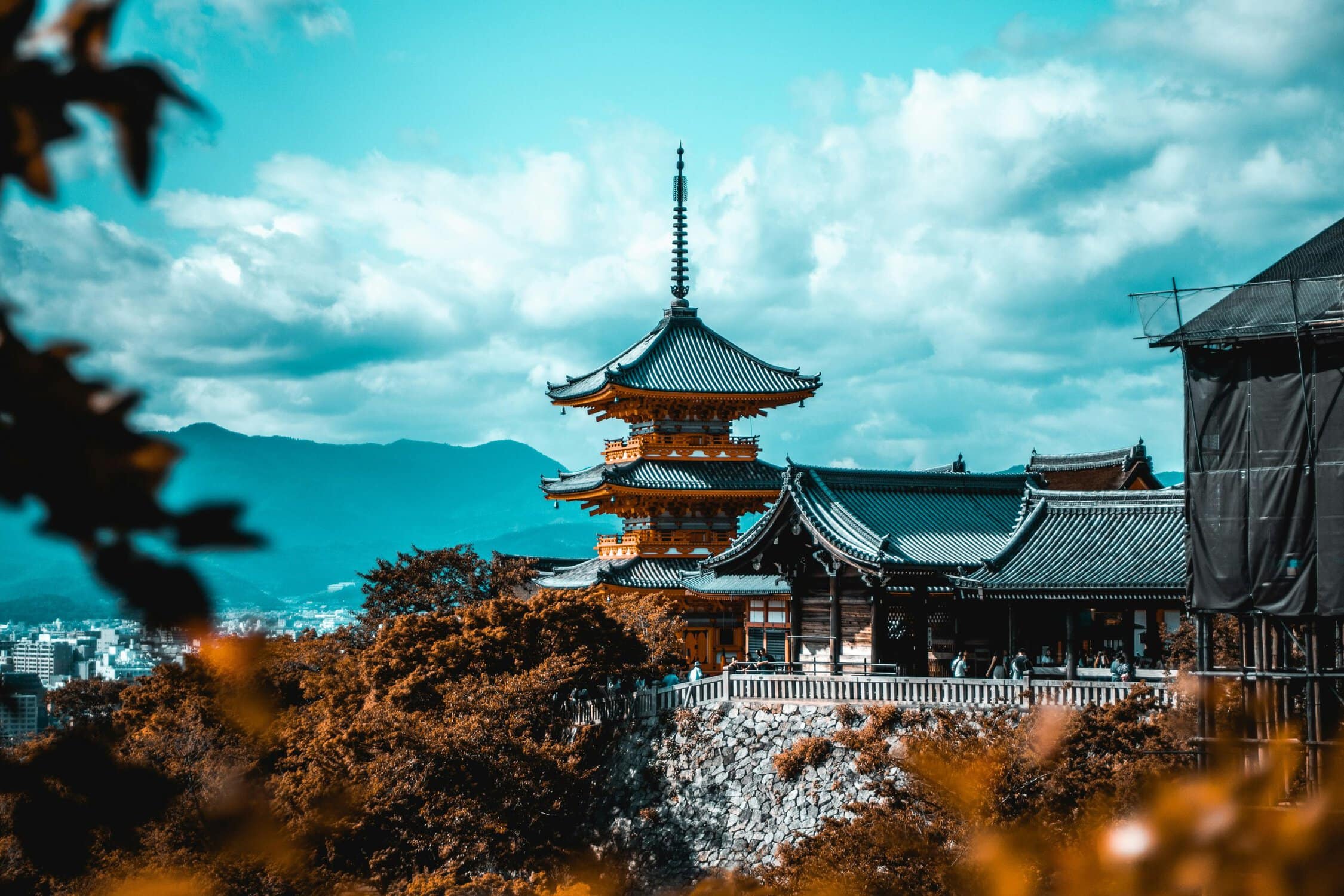
To understand Kyoto’s significance, it is worth looking back to the Heian Period, which profoundly influenced Japanese culture between 794 and 1185. During this era, many of the artistic and cultural traditions that still define Japan today were developed. Poetry, calligraphy, garden design and architecture flourished, creating a sophisticated aesthetic legacy that continues to influence Japanese life and culture. One of the most celebrated works of this period is The Tale of Genji, often regarded as the world’s first novel. It is no coincidence that Genji Kyoto takes its name from this remarkable cultural heritage.
What Does Beauty Mean in Japan?
One of the most fascinating aspects of Japanese culture is its understanding of beauty. While Western traditions often associate beauty with perfection, Japanese aesthetics have long embraced the value of imperfection and change.
This philosophy is reflected in the concept of “Wabi-Sabi“, one of Japan’s most influential aesthetic principles. It celebrates the beauty of impermanence, simplicity and imperfection. A handmade ceramic bowl, aged wood or the marks left by time are not viewed as flaws but as expressions of character and authenticity. Perhaps that is precisely part of the fascination Kyoto holds for its visitors.
The Art of Space
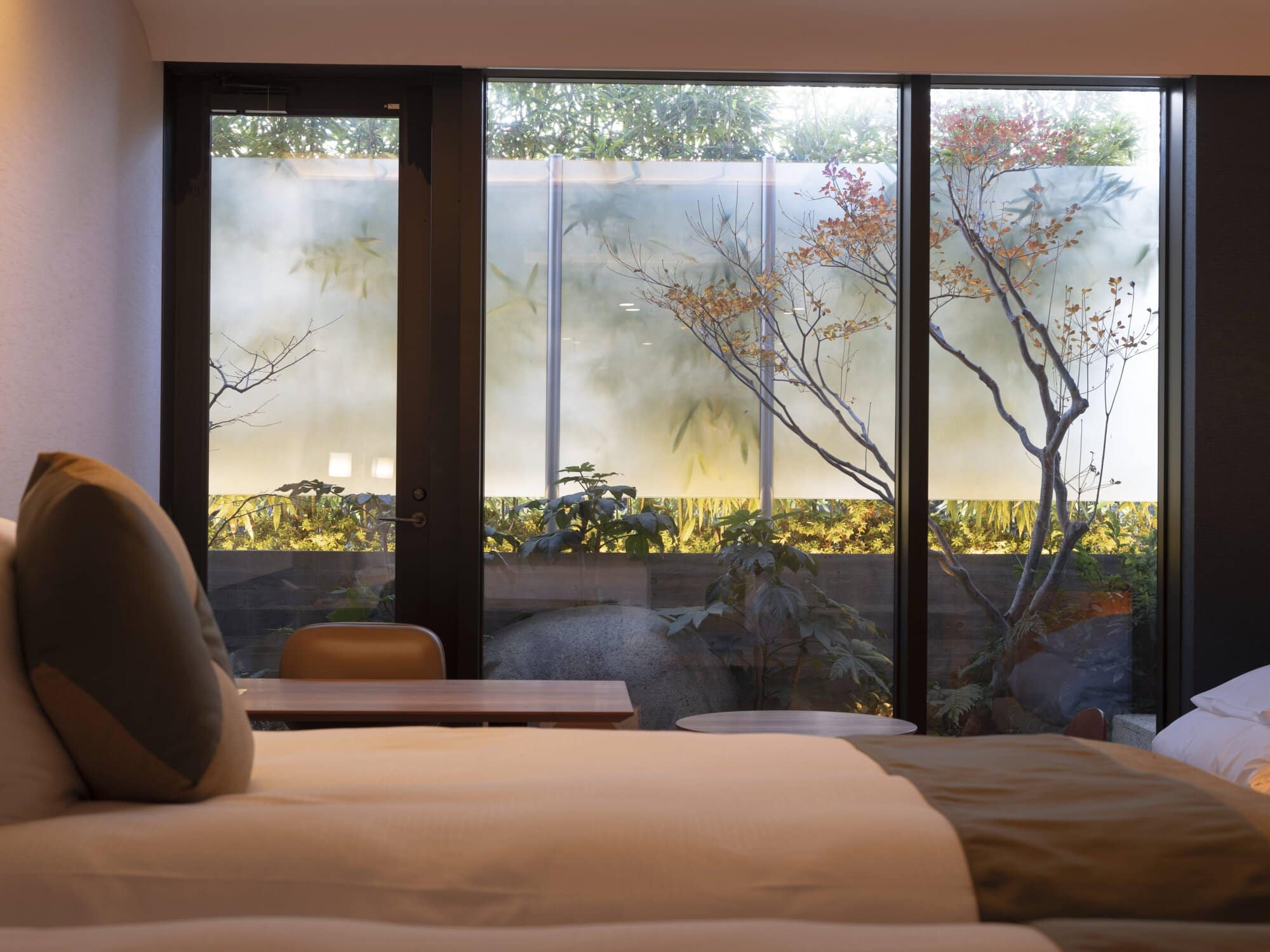
Another Japanese concept that becomes particularly visible in Kyoto is “Ma“. Although often translated as space or emptiness, its meaning goes far beyond these words. It refers to the intentional space between things – the silence between sounds, the pause within a conversation or the distance between objects.
This idea influences gardens, temples and architecture throughout the city and contributes greatly to the sense of harmony that visitors often experience.
Genji Kyoto and a Contemporary Interpretation of Tradition
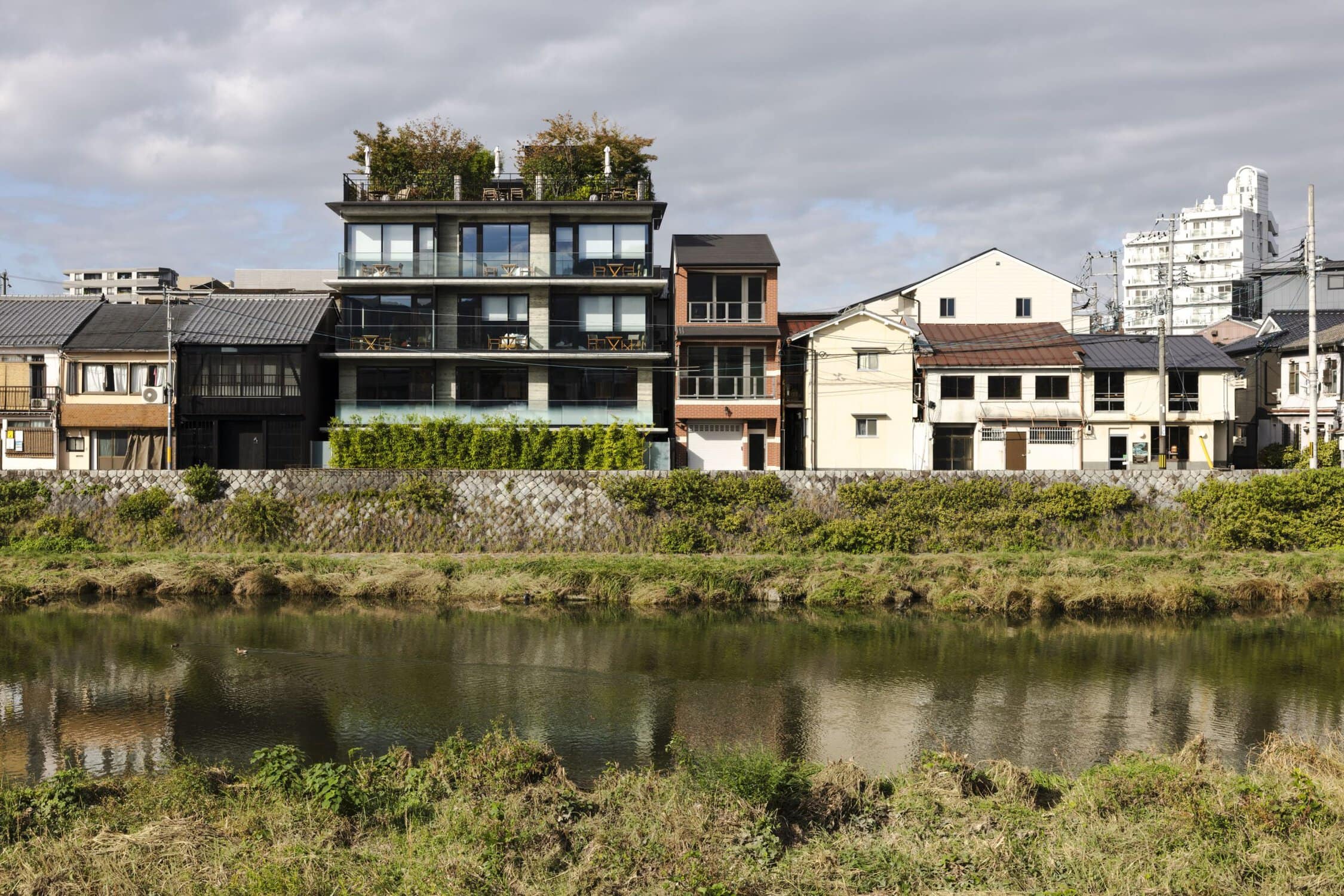
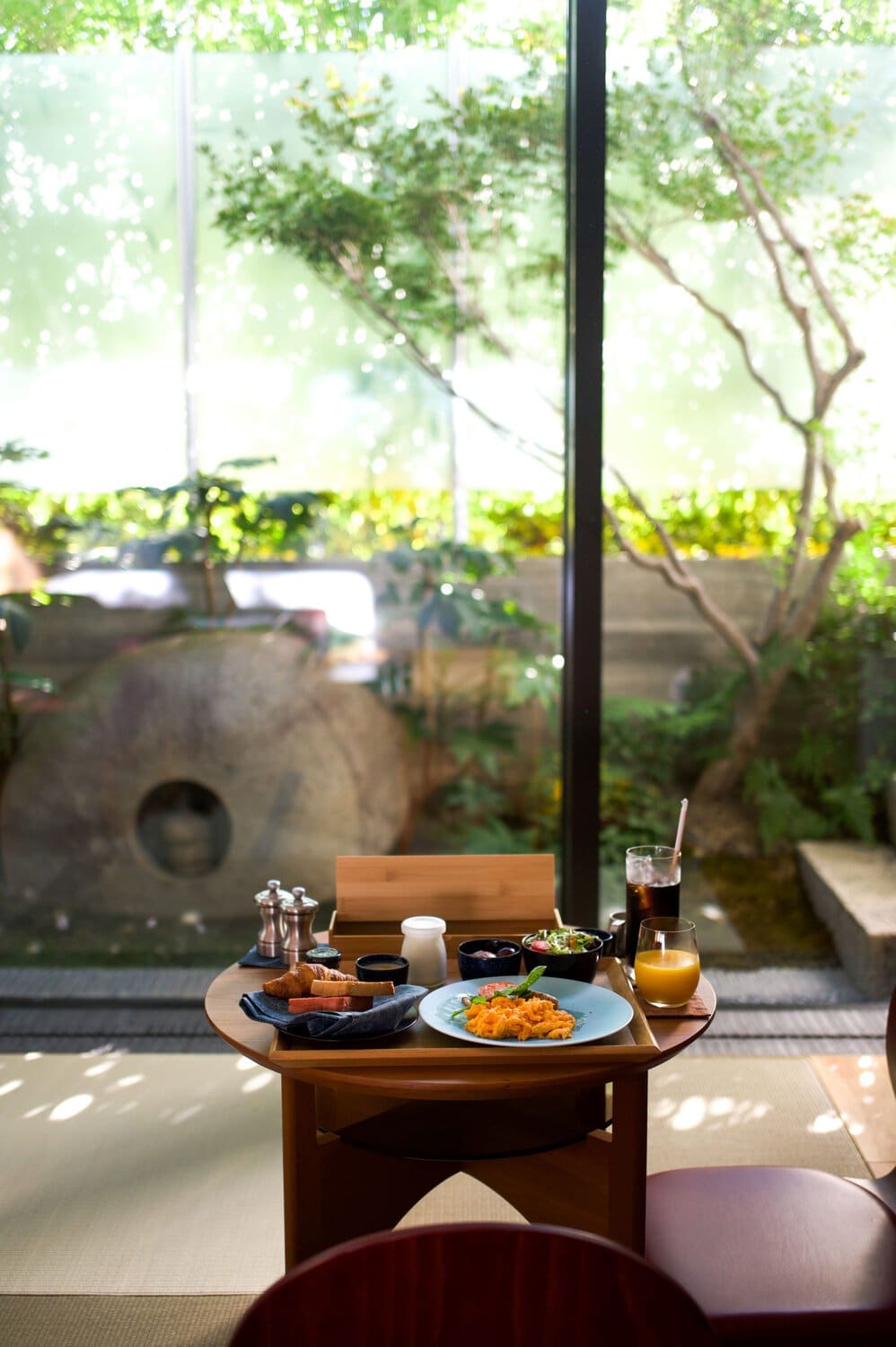
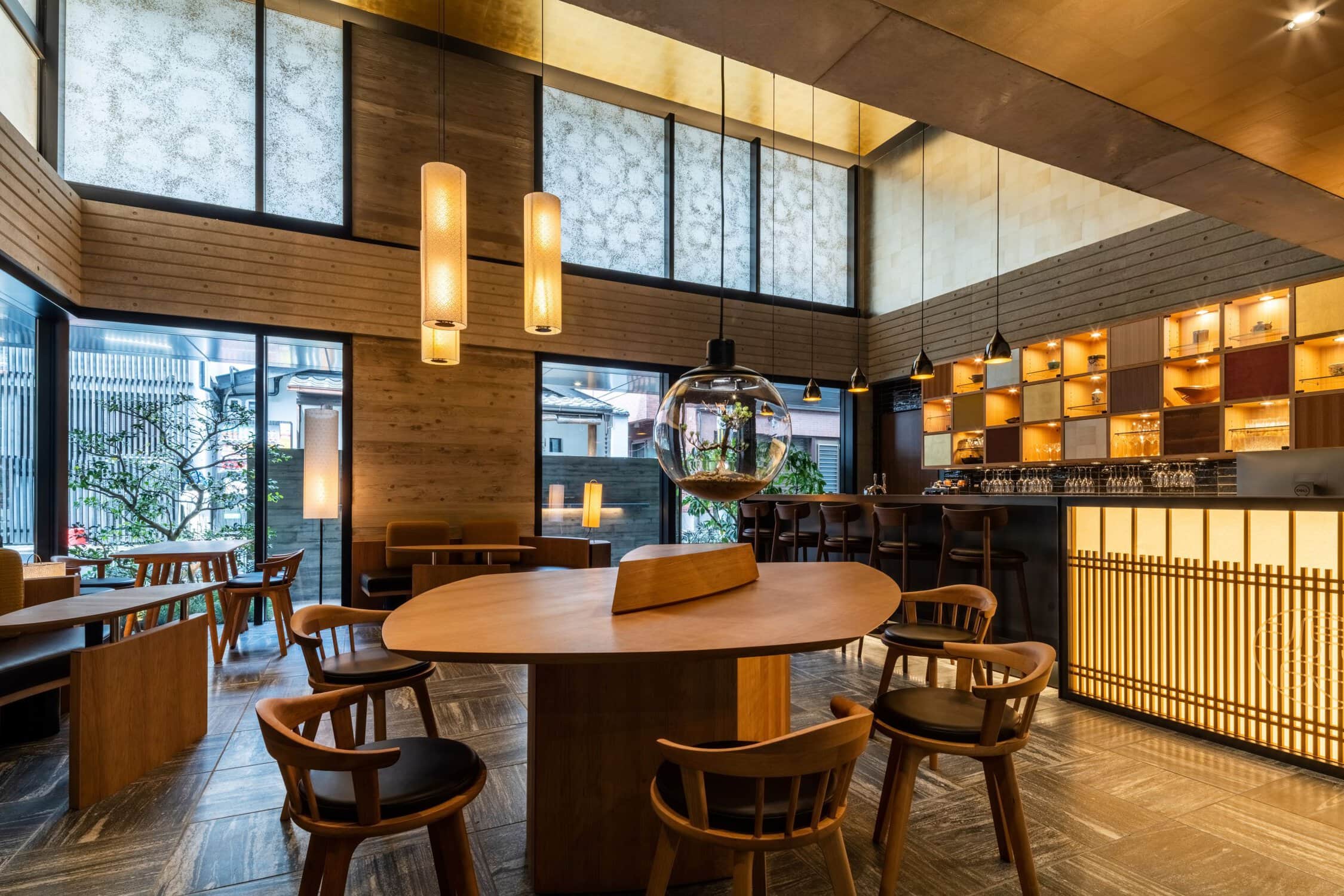
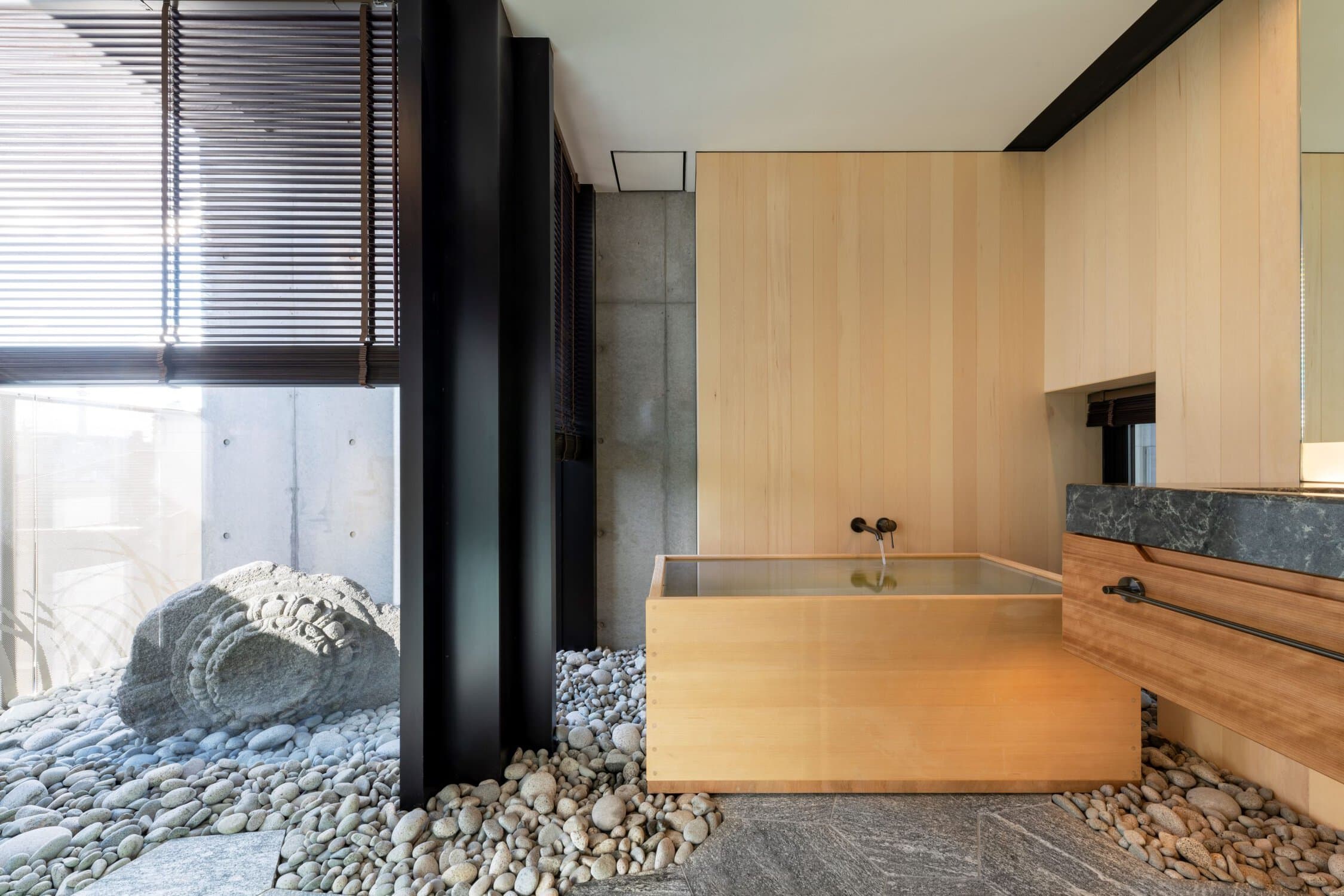
One of Kyoto’s greatest strengths is its ability to connect tradition and modernity. This philosophy is reflected beautifully in Genji Kyoto. While contemporary in design, the hotel incorporates many of the cultural values that have shaped the city for centuries. Its use of natural materials, understated elegance and close relationship with its surroundings create an atmosphere that feels deeply connected to Kyoto itself. More than simply a place to stay, Genji Kyoto offers guests an opportunity to experience the city’s unique perspective on beauty, time and culture.
Why Kyoto Remains Timeless
Kyoto’s greatest treasure may not be found in its temples, gardens or historic landmarks. Instead, it lies in its ability to offer a different way of seeing the world. A perspective in which imperfection has value, silence carries meaning and the past is not seen as an obstacle to progress but as an essential part of it. It is precisely this unique perspective that makes Kyoto both timeless and modern to this day.
Travelers of all ages find something here that has become rare: a new perspective.